Nobody tells you what a craving is actually like from the inside, so the first one after you’ve decided to stop catches you off guard. You expect a thought. What arrives is closer to weather.
Here is the part that changed things for me: a craving has a shape. It rises, it peaks, and it comes down whether or not you do anything clever. It feels permanent while it’s happening and it is not. Almost everything I do now is built around that one fact.
Minute one: it doesn’t announce itself
It rarely starts with I want a drink. It starts sideways. You get restless. You get irritated at something small. You open the fridge without deciding to. You think about the drive home in a way you weren’t thinking about it a minute ago.
By the time the actual thought shows up — clear, worded, reasonable — the wave has already been building for a minute or two. That lag is why cravings feel like they come from nowhere. They don’t. You just met them late.
If you can learn to notice the restlessness, you get those minutes back. That is the only part of this that takes practice.
Minutes two and three: the negotiation
This is where it gets loud, and where it gets clever. A craving does not argue badly. It argues like you, because it is you.
Mine used to sound like reasonableness. Wine is natural. It isn’t like the other things. You’re a professional, you’re a mother, you have this handled. I believed that for a long time, and believing it is exactly what let it grow.
You will not out-argue it. That is the mistake I made for most of my adult life. You cannot reason your way out of a conversation you are having with yourself, because both sides know everything the other one knows.
So don’t have the conversation. Put something in your mouth instead.
Minutes three to five: give your hands and your mouth a job
This is the whole method, and it is not impressive.
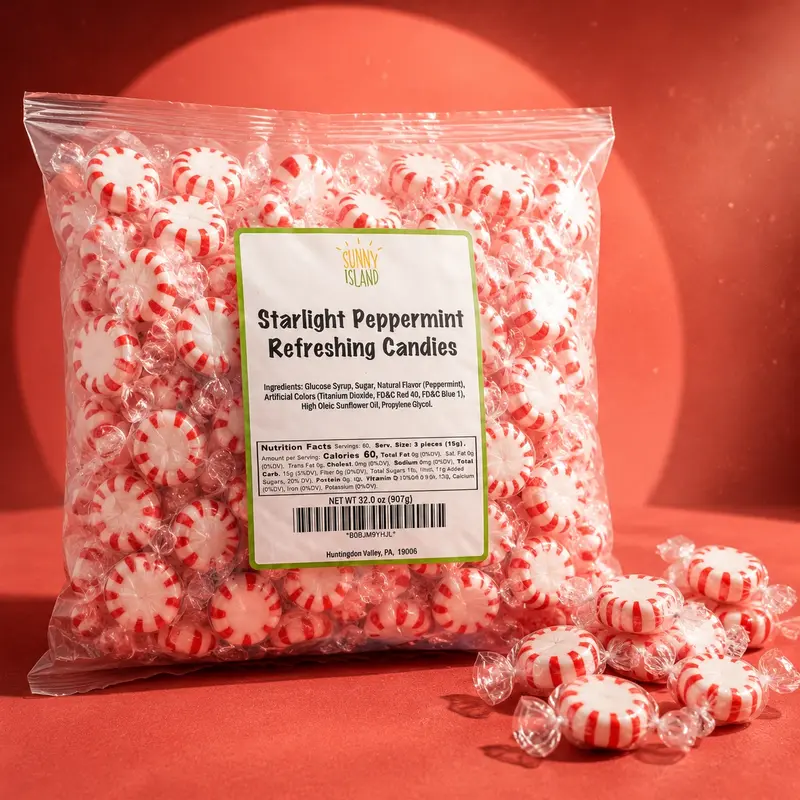
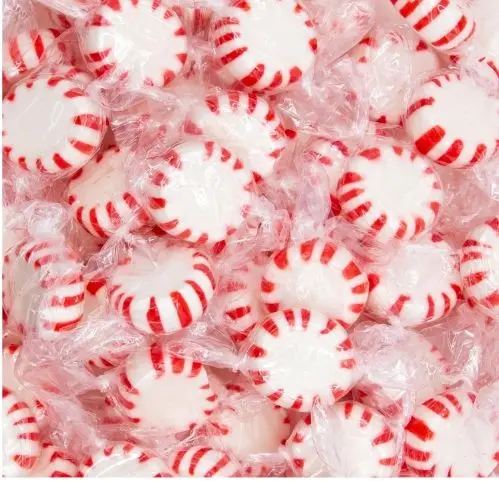
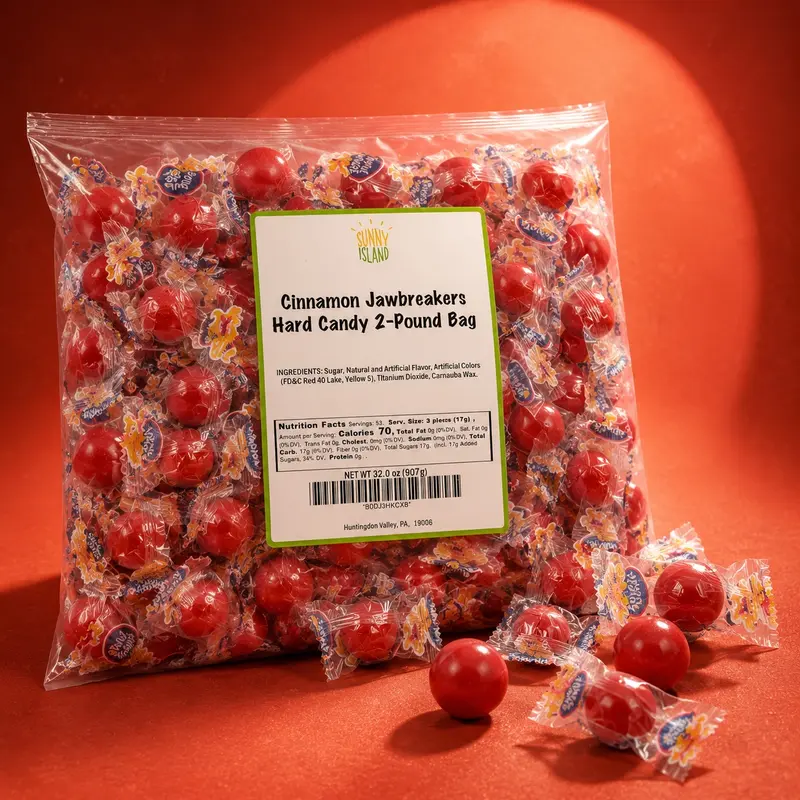
Have a hard candy. Not chocolate — chocolate is gone in four bites and it leaves you where you started. A hard candy you cannot rush. The women I met while I was locked up taught me this, and they had worked it out the hard way: sweet works better than salty, and candy works better than chocolate. Something small, something immediate, something that lasts longer than the wave does.
A starlight mint takes about twenty minutes if you don’t bite it. Twenty minutes to finish one. That’s the whole trick.
While it’s in your mouth, move. Stand up, go outside, walk to the end of the street and back. You are not exercising. You are making the five minutes pass somewhere other than the room where you were about to make a decision.
Minute five: notice that it went
The most useful thing you can do after a craving passes is register that it passed. Not celebrate it — just notice.
The first few times, it feels like luck. After a couple of weeks it stops feeling like luck and starts feeling like information: that thing ends. Once you actually believe a craving ends on its own, the next one is a smaller event, because you are no longer fighting to make it stop. You are just waiting it out with something in your mouth.
What this is not
This is not treatment. I’m not a doctor or a counsellor and this isn’t medical advice. If you are physically dependent on alcohol, stopping abruptly can be dangerous, and that is a conversation for a doctor, not a website.
What this is: the thing I do at four in the afternoon when the day has been long. It sits alongside AA and my faith, not instead of them. It isn’t clever, but it works.