This one is not for the person quitting. It is for whoever is reading over their shoulder.
I have been on both sides of it. I grew up in a house where both my parents drank and neither of them ever thought the word alcoholic had anything to do with them. Later I was the one being watched, and I lost friends who were finished watching. My son is the reason there is a website, so I know what it looks like when somebody gets this right, too.
Why the obvious approach backfires
The instinct is to make the case. Explain the damage, name what you can see, present the evidence.
The trouble is that they have the evidence. They have more of it than you do — they know things about their own drinking you have not noticed yet. What your case adds is not information. It adds an audience.
And an audience is the thing that makes it worse, because the enormous secondary job of drinking too much is managing what everybody else thinks. Every conversation like that adds to the performance of being fine, and the performance is exhausting, and being exhausted at four in the afternoon is when people drink.
The thing that actually helps: be the person they don’t have to perform for
That is most of it.
It sounds passive next to an intervention. It is not. It means when they are short with you, you let it be Tuesday rather than evidence. It means you do not scan them when they walk in. They can tell when they are being scanned, and it puts the performance straight back on.
Being unscanned for an hour is genuinely rare for somebody in this, and it is worth more than any argument you could make.
Say the thing once, plainly, and then stop
I am not telling you to say nothing. Say it once. Short, without a list, without a rehearsal:
I love you. I think the drinking is hurting you. I’m here whenever you want to talk about it, and I’m not going to bring it up again.
Then honour the second half. The value of that sentence is almost entirely in the not-repeating. Said once it is a door. Said monthly it is a subject, and a subject is something to avoid, and avoiding you is easy.
They may do nothing with it for a long time. That is not it failing.
Practical things that are actually useful
Be available at the specific bad hour. For a lot of people it is late afternoon and early evening. A text at five that is about something else entirely is worth more than a serious conversation at nine.
Do things that are not centred on drinking. Not as a test. Just so that there are hours in the week with no decision in them.
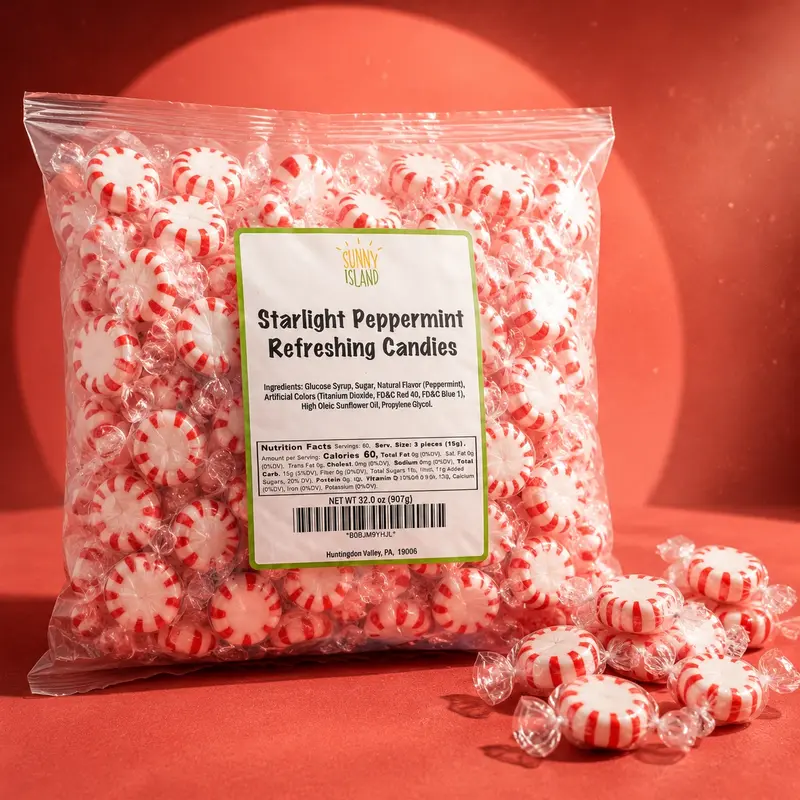
Don’t police the replacement. If they are getting through the evening on hard candy, that is not something to worry aloud about. It cost me a career and thirteen months to find something that works at four in the afternoon; a bag of mints is a bargain, and comments about their teeth are not the help you think.
Ask what would help, and believe the answer. Including if the answer is “nothing right now.”
What is not yours to carry
You cannot do this for them. That is not a slogan, it is a limit, and pretending otherwise wrecks the person doing the watching.
You are allowed to have your own limits about what you will be around. Setting one is not an ultimatum if you say it without a deadline attached: I can’t be at the house when it’s like that, and I’m not going anywhere. Both halves.
And if you are the one carrying this, you need somebody too. Al-Anon exists for exactly this and it is free.
One more thing
If they do stop, the first months are less triumphant than you expect. Do not treat it as solved and do not throw a party at them. Steady is what helps.
My son said I should build something out of what I learned. He did not say it during the worst of it. He said it after, when there was something to build with. The waiting was the part that helped.